
Investing in a new digital cinema package is a calculated business decision. Usually, a camera purchase kicks off a multi-month logistical puzzle: which cage do you buy? Where do you mount the wireless video transmitter? How do you manage a dozen dangling cables, and where do you store the external SSD bracket without throwing off the balance?
But when analyzing the DJI Ronin 4D 4-Axis Cinema System, filmmakers often get blinded by the headlining technology—6K full-frame capture, active Z-axis vertical stabilization, or automated LiDAR tracking.
In doing so, they completely look past the camera's single greatest real-world business advantage: it completely eliminates the engineering headache of rigging.
The Hidden Cost of the "Rigging Headache"
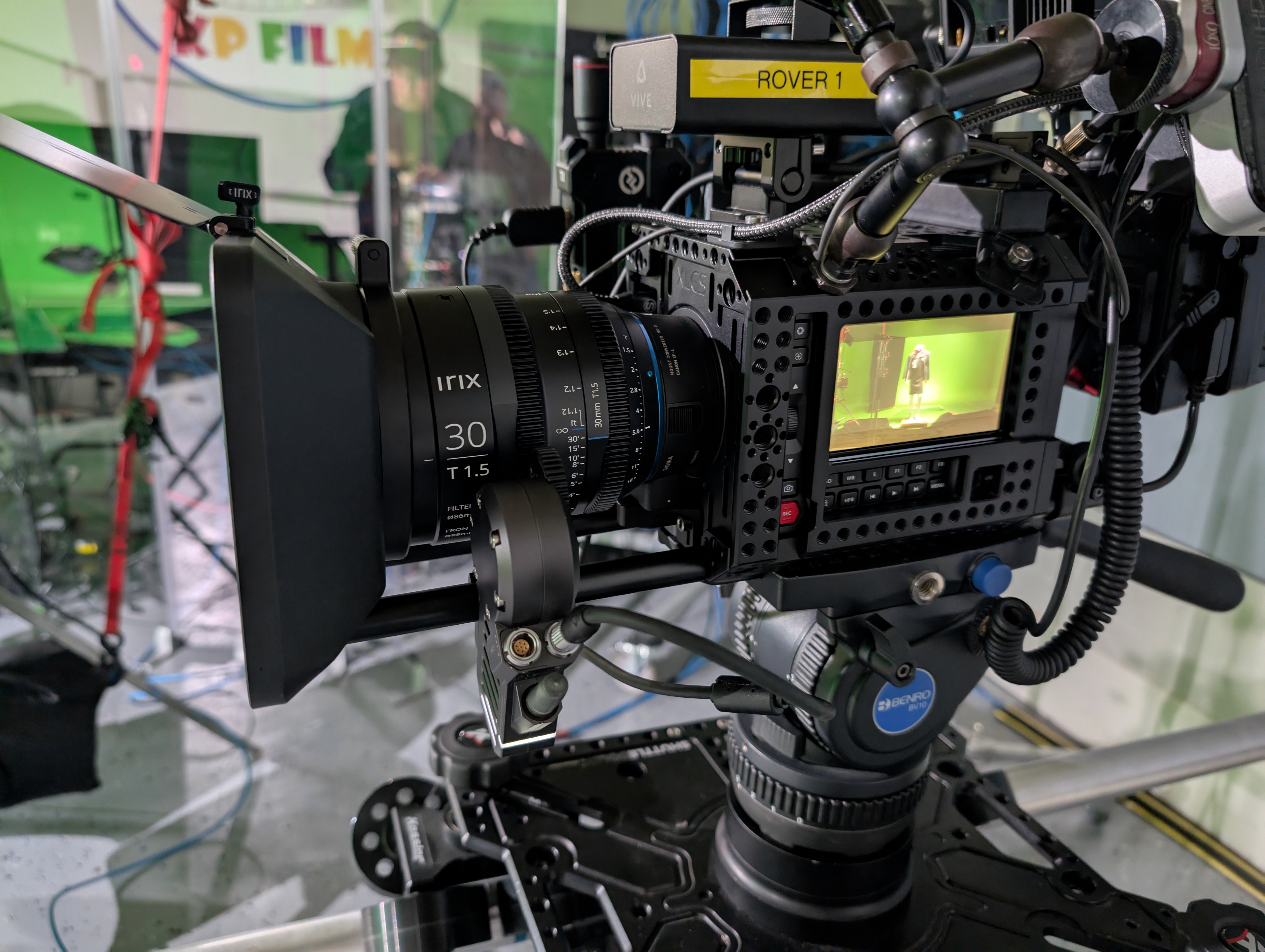
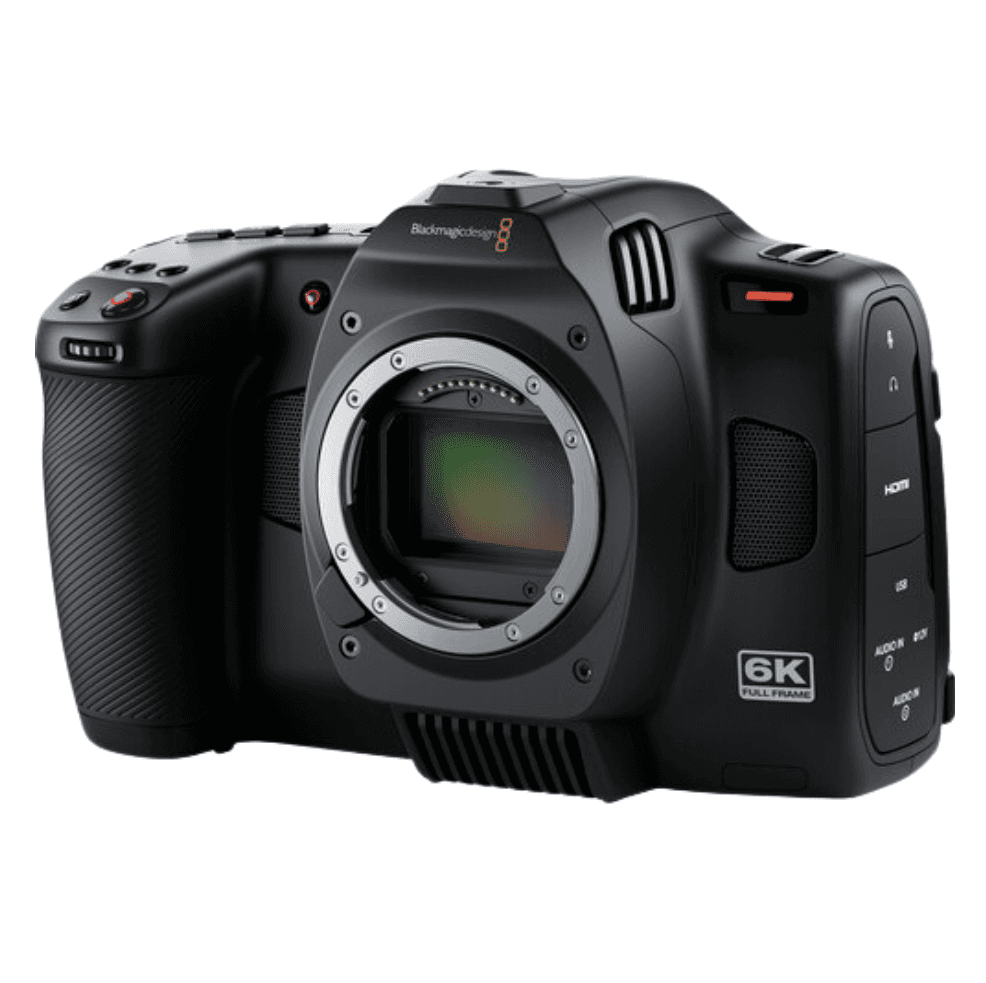
Traditional modular camera systems—like a Z CAM, a Blackmagic Cinema Camera, or a RED Komodo—are shipped as bare physical cubes. The out-of-the-box experience requires a massive investment of both capital and time before the package is field-ready:
Filmmakers routinely spend months buying, testing, and replacing small parts from a toolbox full of SmallRig components trying to find an ergonomic layout. You have to figure out a secure mounting position for your external recording SSD, establish a clean pipeline for power, select monitor brackets that don't sag, and troubleshoot the physical signal latency of your monitoring lines.
The Ronin 4D eliminates this phase entirely. The moment you slide it out of the case, every component is already exactly where it belongs. The physical handles are structurally integrated into optimal geometric holding points, allowing an operator to naturally build deep muscle memory for the control layout. The high-bright touchscreen monitor occupies a rock-solid, glare-free workspace, and the wireless focus wheels and joysticks are native extensions of the body. It is a complete, deployable operating package that lets you spend less time watching gear-rigging tutorials and more time booking production dates.
Real-World Bottlenecks: Media and Ecosystem Costs
While the integrated, un-rigged architecture of the Ronin 4D is brilliant, stepping into DJI's premium cinema ecosystem introduces distinct hardware design compromises that operators must navigate.
1. The Proprietary Storage Gimmick
One of the most frustrating aspects of the hardware layout is media management. To record top-tier high-bitrate flavors of Apple ProRes (like ProRes 422 HQ), DJI forces operators to invest heavily in their proprietary DJI PROSSD storage modules and specialized housing attachments.
From an engineering perspective, this closed system is a clear markup bottleneck. High-speed, commercial consumer systems like the SanDisk Professional Pro-Blade system handle massive multi-terabyte documentary offloads in a fraction of the time at a fraction of the price. DJI's locking down of top-tier codecs behind expensive, occasionally problematic internal cards feels like a forced ecosystem tax rather than a technical necessity.
2. Large Cine Glass Limitations
Because the Ronin 4D is fundamentally an active, motorized gimbal system rather than a static camera body, you cannot simply mount any lens you want. Heavy, high-end cine zooms—like the DZOFilm 20-55mm T2.8 cinema lens—will instantly overwhelm the physical payloads and clearance geometry of the X9 gimbal motor axis.
💡 Creative Workaround: If you need to shoot with heavy manual glass, you can deactivate the gimbal completely. By mounting an Arca-Swiss plate to the bottom of the 4D chassis, sliding it onto a dedicated 15mm rail baseplate with extended lens supports, and locking down the gimbal axes mechanically, you convert the Ronin 4D into a rigid, rock-solid studio handheld camera body.
How DJI Could Improve a "V2" Architecture
If DJI wants to truly democratize the 4-Axis lineup for independent commercial production houses, there are three clear design adjustments they should implement in future hardware iterations:
Offer an "MF-Only" Purchase Package: Rather than forcing every buyer into the automated LiDAR ecosystem, DJI should offer a streamlined manual focus package right out of the box. This package would swap the premium LiDAR sensor for an included focus motor and specialized lens support gears, lowering the financial barrier for operators who strictly shoot narrative content on manual cinema glass.
Add a Top-Handle Record Trigger: The ergonomic placement of the top handle is fantastic for low-mode operating, but placing a menu Mode button directly under an operator's thumb instead of a physical Record button is a massive oversight. Operators need a tactile record toggle directly on the handle grip, along with a secondary digital record button mirrored on the touch screen interface.
Partner with Storage Experts: Instead of managing proprietary card production, DJI should partner directly with storage legacy brands like SanDisk to design open-standard, interchangeable drive caddies built on proven consumer flash architecture.
The Verdict
If your production calendar demands a heavy mix of fast-paced gimbal shots, wireless vehicle-to-vehicle tracking, and rapid, solo-operator run-and-gun movement, the Ronin 4D is an unparalleled asset. It completely reclaims the hidden time and energy normally lost to building, balancing, and troubleshooting custom camera rigs. As long as you account for the expensive proprietary media workflow, it represents a massive leap forward in integrated production engineering.
Advertising Opportunity

Your product or service featured here. Please contact Marketing by clicking below.
Sponsored Post

Explore Topics